
How Children & Teens Build Confidence (And How Parents Can Help)
Madison Magnus M.S., LMHC, CATP
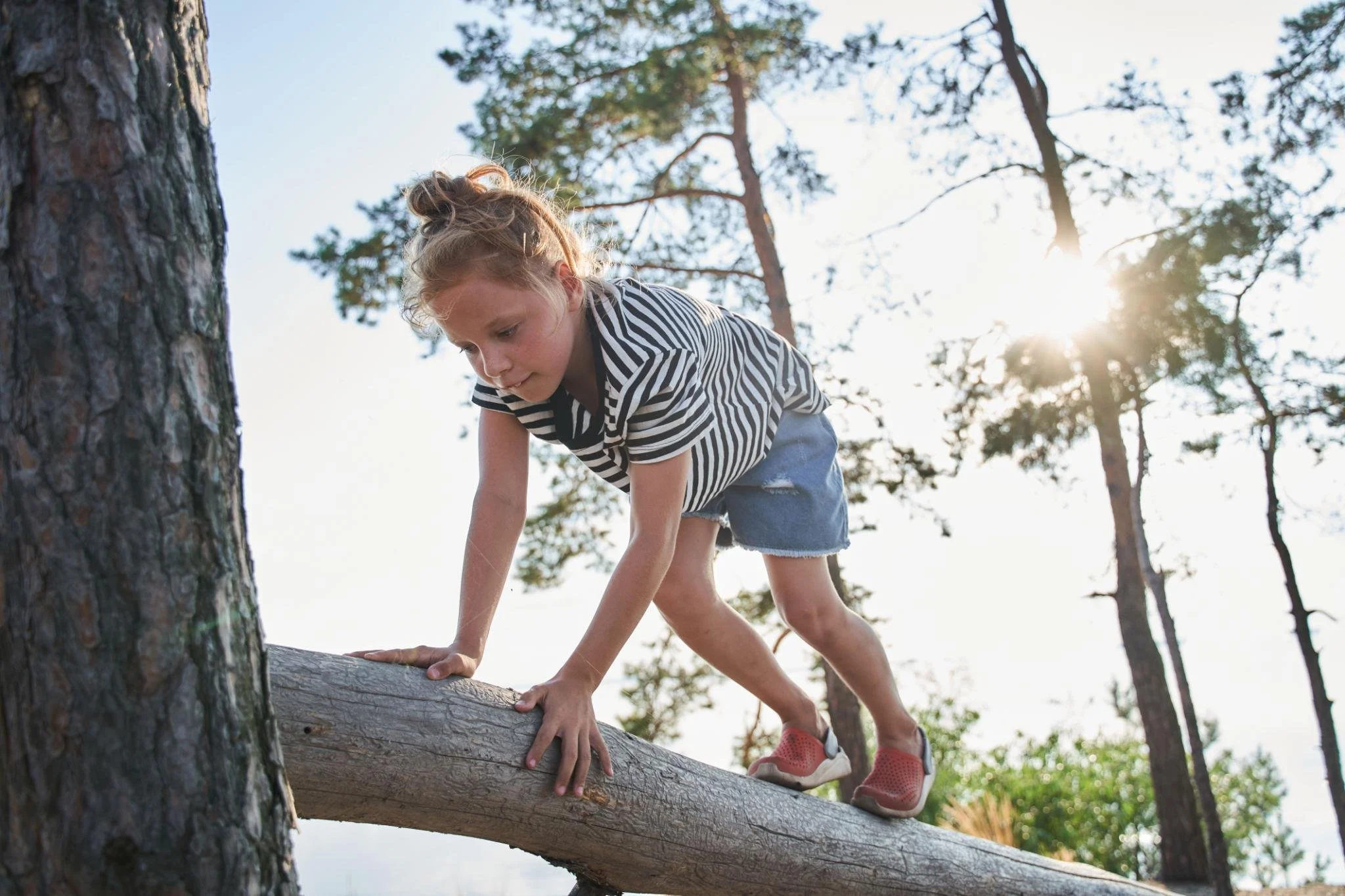
Confidence isn't something children are born with, it's something they build over time through experiences, relationships, and the messages they receive about themselves.
As parents, it's natural to want your child to feel confident. We cheer them on, praise their accomplishments, and try to protect them from disappointment. But true confidence doesn't come from never failing or always succeeding. It develops when children learn, "I can do hard things."
What Confidence Really Looks Like
Confidence isn't being the loudest child in the room or believing you're the best at everything.
Healthy confidence looks more like:
Trying something new even when it feels uncomfortable.
Believing mistakes are opportunities to learn.
Recovering after setbacks instead of giving up.
Trusting yourself to solve problems.
Feeling worthy regardless of performance or achievement.
Children who are confident still experience fear, anxiety, embarrassment, and disappointment, they've simply learned that those emotions don't have to stop them.
Confidence Is Built Through Experience
One of the biggest misconceptions is that confidence comes before trying something difficult.
In reality, confidence usually comes after.
A child joins a new sports team despite feeling nervous.
They give a class presentation even though they're afraid.
They struggle through a difficult math assignment before finally understanding it.
They ask a new friend to hang out even though they are worried and nervous.
Each of these experiences quietly teaches the brain: "I've done hard things before. I can do them again."
Every challenge they work through becomes evidence that they're capable.
How Parents Sometimes Accidentally Undermine Confidence
Every parent wants to help, but sometimes our desire to protect our children can unintentionally communicate that we don't believe they can handle something on their own.
This might look like:
Solving problems before they have a chance to try.
Stepping in immediately when they're frustrated.
Avoiding situations that make them anxious.
Praising only outcomes instead of effort.
Comparing them to siblings, friends, or classmates.
While these responses come from love, they can send the message: "You need me to do this because you can't."
Instead, we want children to internalize: "This is hard, and I believe you can figure it out."
What Actually Builds Confidence
Research consistently shows that confidence grows when children experience:
Safe opportunities to struggle
A manageable challenge allows children to discover what they're capable of.
Age-appropriate independence
Whether it's ordering their own food, talking to a coach, packing their backpack, or solving a conflict with a friend, independence teaches competence.
Encouragement over perfection
Children don't need parents who expect perfection.
They need parents who notice effort, persistence, courage, creativity, and resilience.
Unconditional support
One of the strongest predictors of healthy self-esteem is knowing: "My parents love me because of who I am, not because of what I accomplish."
Small Changes That Make a Big Difference
Instead of saying: "Be careful."
Try:
"You've practiced this. I trust you to make good choices."
Instead of: "Let me do it for you."
Try:
"What's your plan? I'll help if you need me."
Instead of: "You're so smart!"
Try:
"I noticed how hard you worked on that."
Instead of: "Don't be nervous."
Try:
"It's okay to feel nervous. You can do hard things even when you're nervous."
These subtle shifts help children develop an internal sense of confidence rather than relying solely on reassurance from others.
For Parents of Teenagers
Confidence often becomes more complicated during adolescence.
Teens are navigating friendships, identity, social media, school pressures, changing bodies, and increasing independence, all while their brains are still developing.
A confident teenager doesn't need parents who have all the answers.
They need parents who remain a steady, supportive presence.
Sometimes that means asking more questions than giving advice.
Sometimes it means allowing natural consequences instead of rescuing.
Sometimes it simply means reminding them: "I believe in you, even if you don't believe in yourself right now."
In Conclusion
Confidence isn't built by making life easier for children.
It's built by helping them discover that they are capable of navigating life's challenges.
Every time your child solves a problem, recovers from disappointment, speaks up for themselves, or keeps trying after a mistake, they're building something much more valuable than confidence.
They're building resilience.
And resilience becomes the foundation for confidence that lasts far beyond childhood
